
Lewisville Hard Water: How 155 PPM Mineral Content Destroys Water Heaters
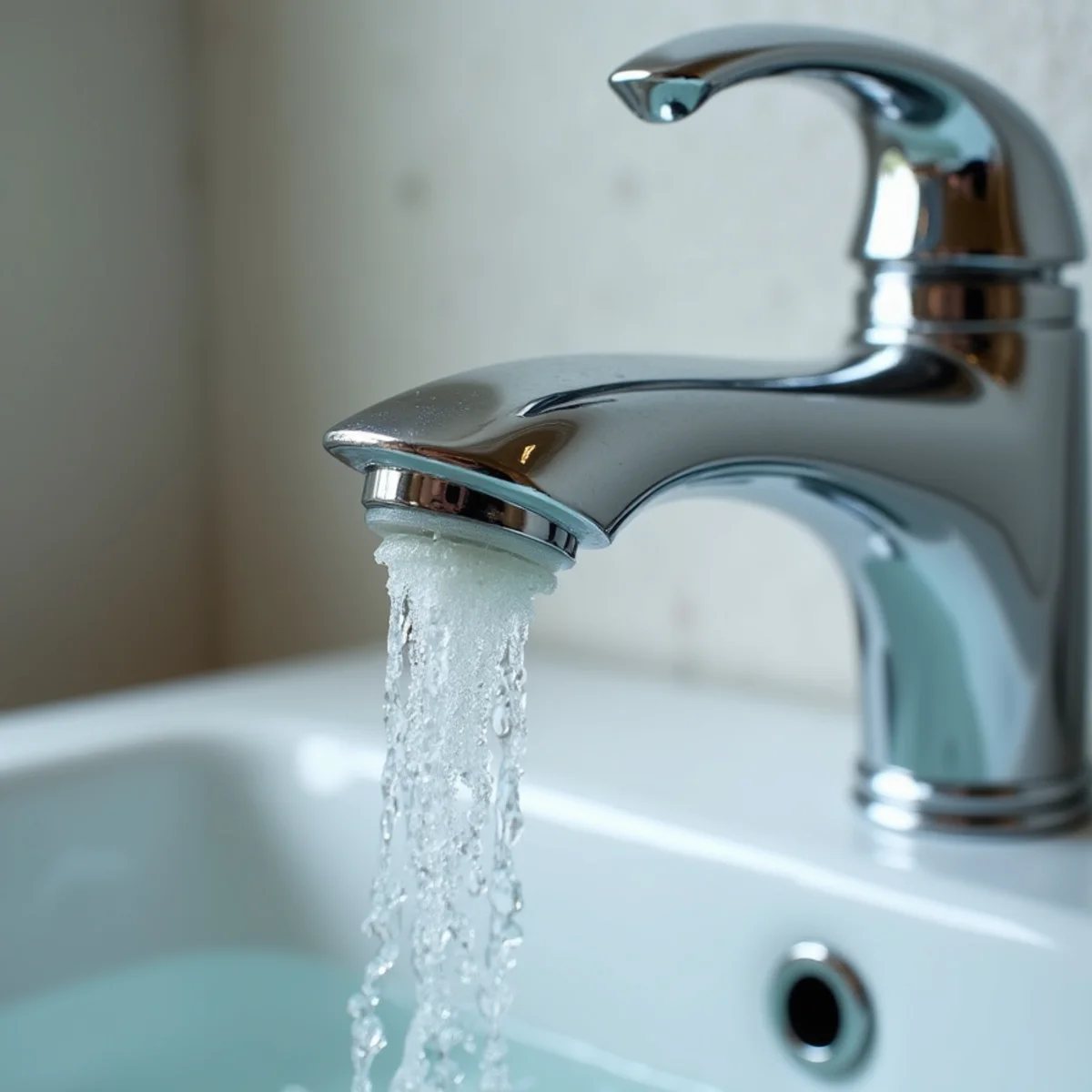
Lewisville's Water Source and Mineral Composition
Treated water distributed by the City of Lewisville is sourced from Lewisville Lake. It carries approximately 155 ppm of dissolved calcium carbonate and magnesium, categorizing it as 'hard' (roughly 9 grains per gallon).
Sediment Accumulation: The Thermal Blanket Effect
When hard water is heated above 120°F, minerals precipitate out of solution and settle as rock-hard sediment at the base of the tank. This layer insulates the water from the gas burner, causing the bottom steel head to overheat and crack the protective glass lining.
Why Your Water Heater Rumbles and Knocks
The popping and rumbling sounds heard from water heaters in Lewisville are caused by steam bubbles boiling beneath inches of calcified sediment, violently escaping through the sludge.
Maintenance Strategies: Annual Flushing and Anode Rods
Draining and flushing your water heater annually flushes out loose sediment before it calcifies. Replacing the sacrificial magnesium anode rod every 3 to 4 years prevents corrosive water from attacking the steel tank walls.
Master Plumber Insight: The Anode Rod Replacement Protocol & Powered Anodes
The sacrificial anode rod is the single most critical component determining whether your water heater survives 8 years or 18 years in Lewisville. Tank water heaters are made of carbon steel lined with a micro-thin layer of vitreous porcelain enamel glass. Because the glass lining inevitably contains microscopic imperfections or hairline cracks from manufacturing, the steel tank would rust through in under 24 months without electrochemical protection.
The sacrificial magnesium anode rod has a more negative electrochemical potential than steel, meaning corrosive ions in Lewisville's 155 ppm mineral water attack the anode rod instead of the tank. In Denton County water, a factory-installed rod is typically 80% to 100% consumed within 3 to 4 years. Once the rod dissolves to its bare steel wire core, the water begins aggressively eating the tank welds. Master plumbers recommend inspecting the anode rod every 36 months, or upgrading to a motorized powered titanium anode rod. Powered anodes use a micro-electric current to passivate the steel, never degrade or require replacement, and eliminate the foul sulfur 'rotten egg' odor produced when standard magnesium reacts with sulfate-reducing bacteria in municipal water.
Related Services & Local Areas Mentioned in This Guide:
- Water heater repair & replacement Lewisville — Professional tank flushes, element repairs, and new installations.
- General plumbing repair services — Protecting household fixtures and valves from mineral scale buildup.
- Emergency drain cleaning & scale disposal — Clearing mineral-choked laundry tubs and floor drains.
- Flower Mound plumbing care — Water heater maintenance for hard water homes across Flower Mound.
- Coppell water heater services — Anode rod replacement and hard water tank diagnostics in Coppell.
Frequently Asked Questions
How long does a water heater last in Lewisville?↓
Does a water softener prevent water heater scale?↓
Why does hard water sediment increase my monthly gas bill?↓
Can an older water heater that has never been flushed be flushed safely?↓
Need Immediate Professional Plumbing Help in Lewisville?
Our licensed Texas plumbers are standing by 24 hours a day, 7 days a week. Upfront itemized pricing on every job.